Care services
End-of-life care at home in Leeds
Many people say they would like to die at home. Live-in care can make that possible, with someone present day and night to keep the person comfortable and to support the family through a very hard time.
Our carers are there for the everyday comfort - washing, turning, mouth care, sitting with someone - while doctors and nurses look after the clinical side.
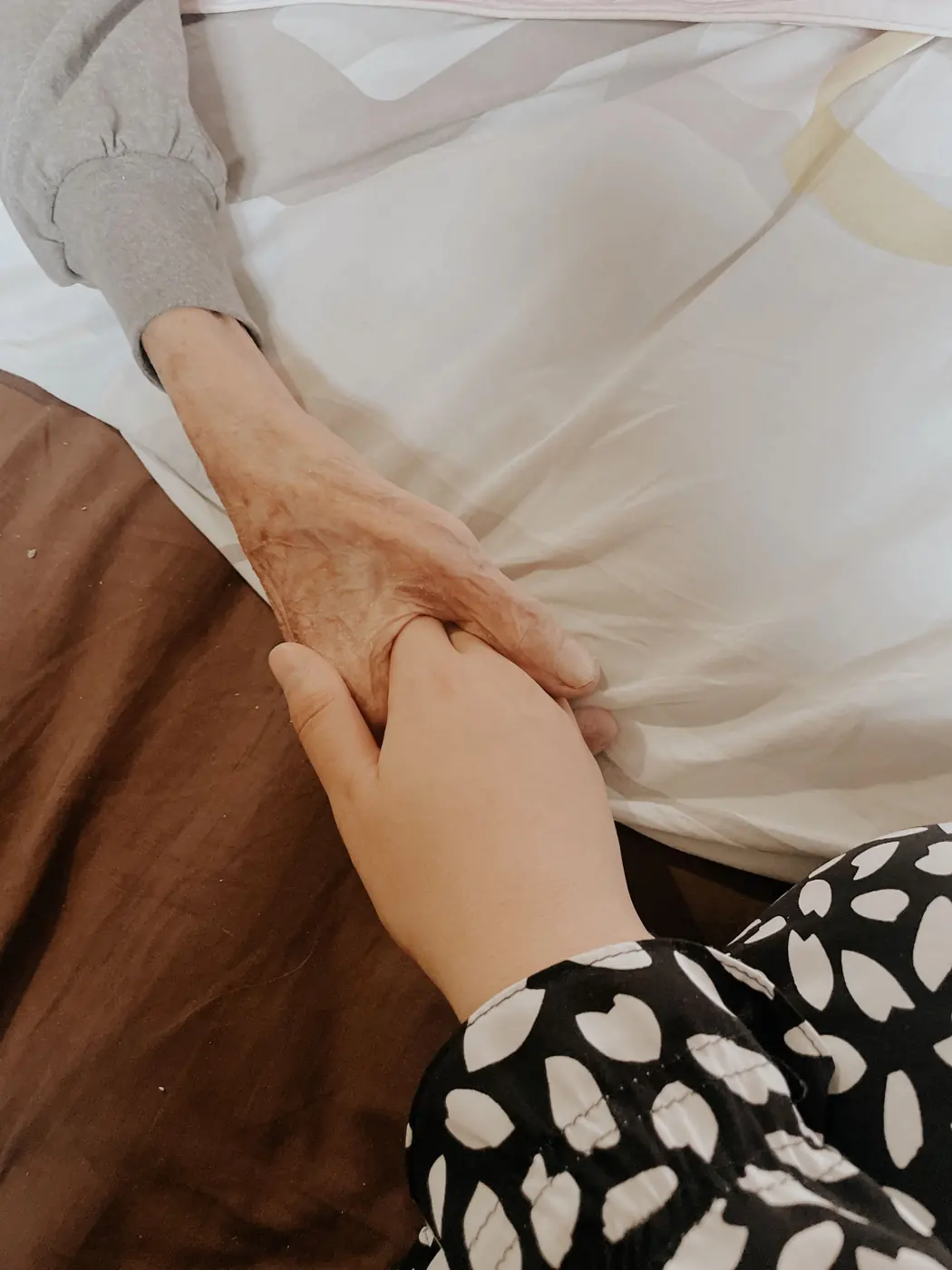
Could end-of-life care help?
It's often a good fit when:
- Your relative has a life-limiting illness and wants to stay at home
- They're coming home from hospital or a hospice for their final weeks
- The family wants to be with them without carrying everything alone
What your carer helps with
- Personal care and keeping the person clean and comfortable
- Regular repositioning and pressure-area care as advised by nurses
- Small meals, sips of drinks and mouth care
- Being present overnight so the family can sleep
- Calling the nursing team when something changes
What a day can look like
Throughout
Gentle care at the person's pace, with plenty of rest.
Visits
District nurses and the GP call; the carer passes on what they've noticed.
With family
Space for family time, with the carer nearby rather than in the way.
Overnight
Someone awake to the person's needs, so nobody is alone at night.
Every day is planned around the person - this is only an example.
Working with Leeds hospices and nurses
In Leeds, St Gemma's Hospice in Moortown and Sue Ryder Wheatfields Hospice in Headingley support people at home as well as on their wards, alongside district nurses from Leeds Community Healthcare. Your carer works within the plan those teams set, including any anticipatory medicines they prescribe.
Arranging care quickly
Time often matters at this stage. Ring us as soon as you know care is needed and we'll aim to have a suitable carer with you within days. If the person may be eligible for NHS Continuing Healthcare fast-track funding, the hospital or nursing team can apply on their behalf.
Questions about end-of-life care
Related care
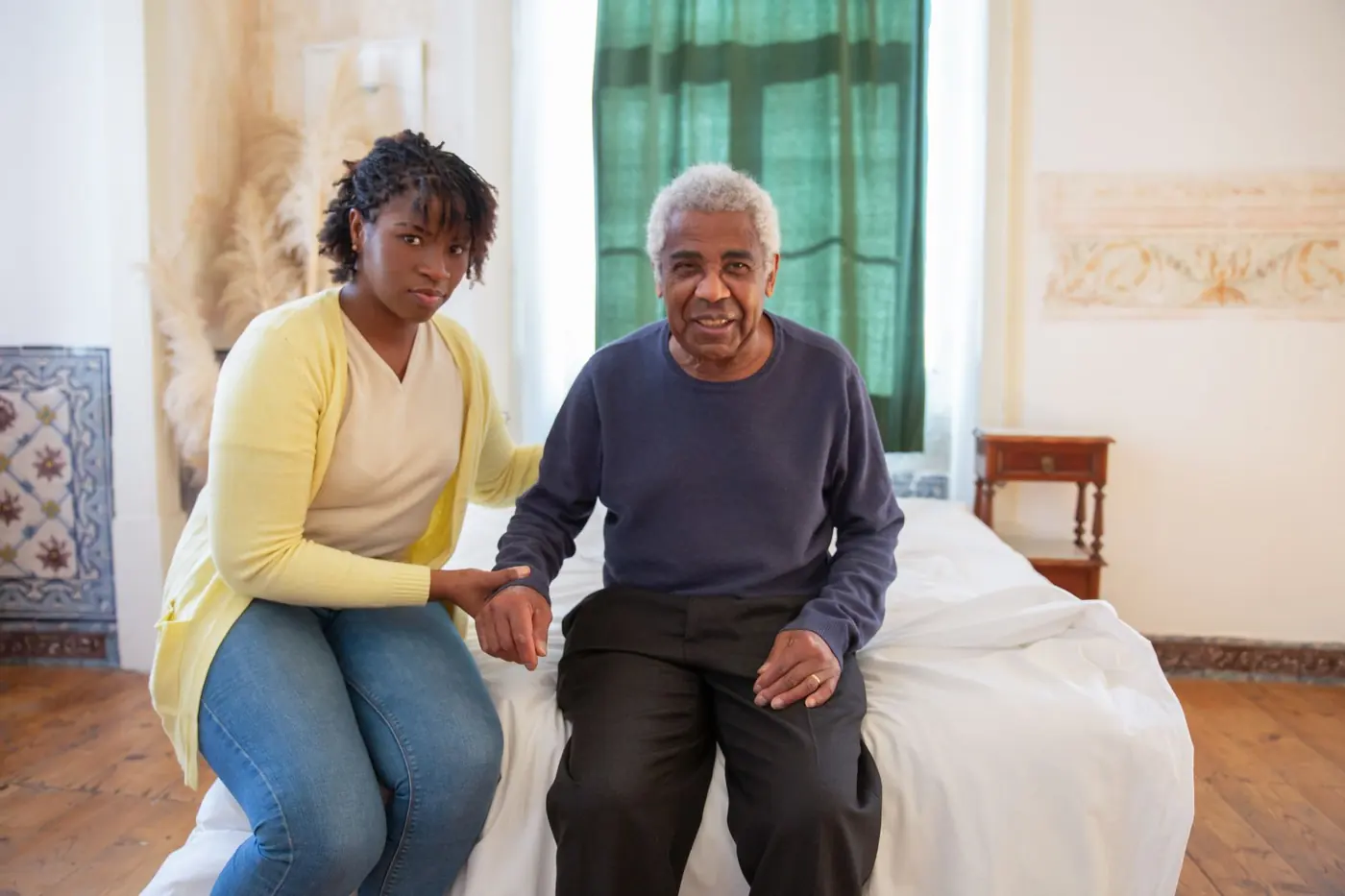
Live-in Care
Someone beside you day and night - helping with the everyday and keeping you company - in the house you call home.
About live-in care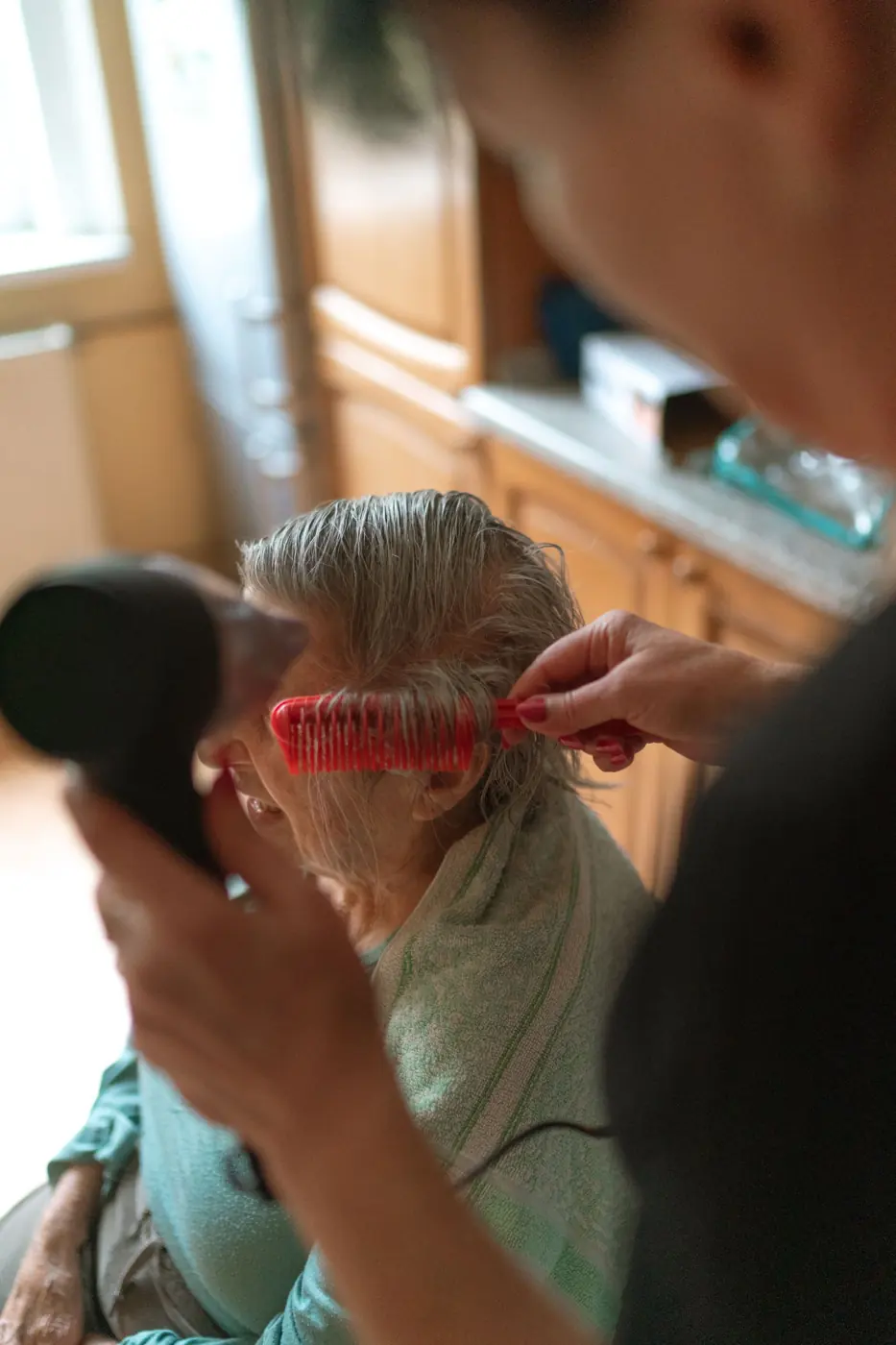
Personal Care
Respectful help with washing, dressing, continence and grooming - done the way you prefer, by someone you trust.
About personal care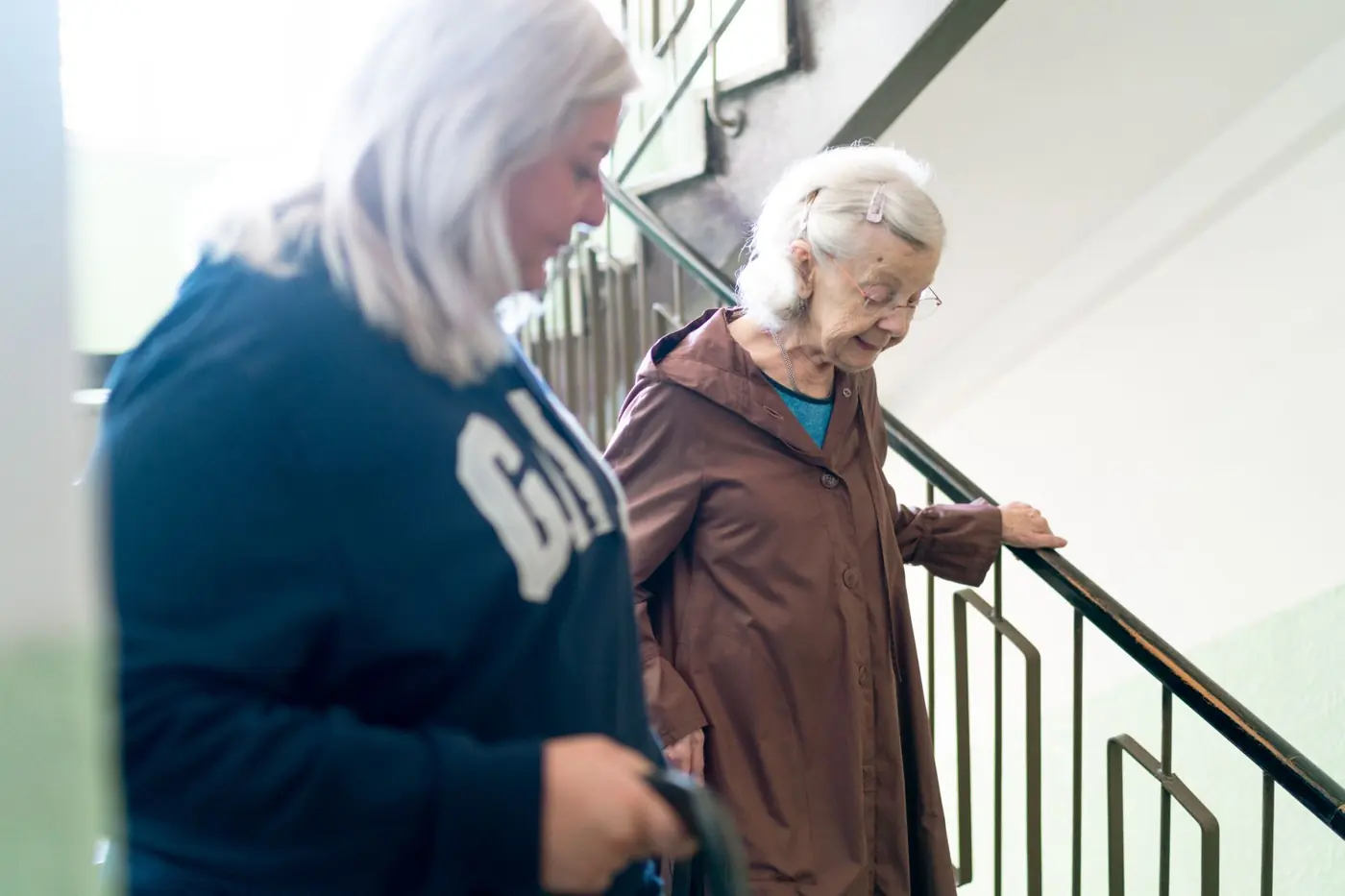
Care After Hospital
A carer ready when you come home from the LGI, St James's or any hospital, to help you recover safely.
About care after hospitalAvailable across Leeds
Further reading
Ask us about end-of-life care
Tell us what's going on and we'll explain your options honestly - with no pressure and no obligation.
Lines open 9am-10pm, 7 days a week