The basic idea
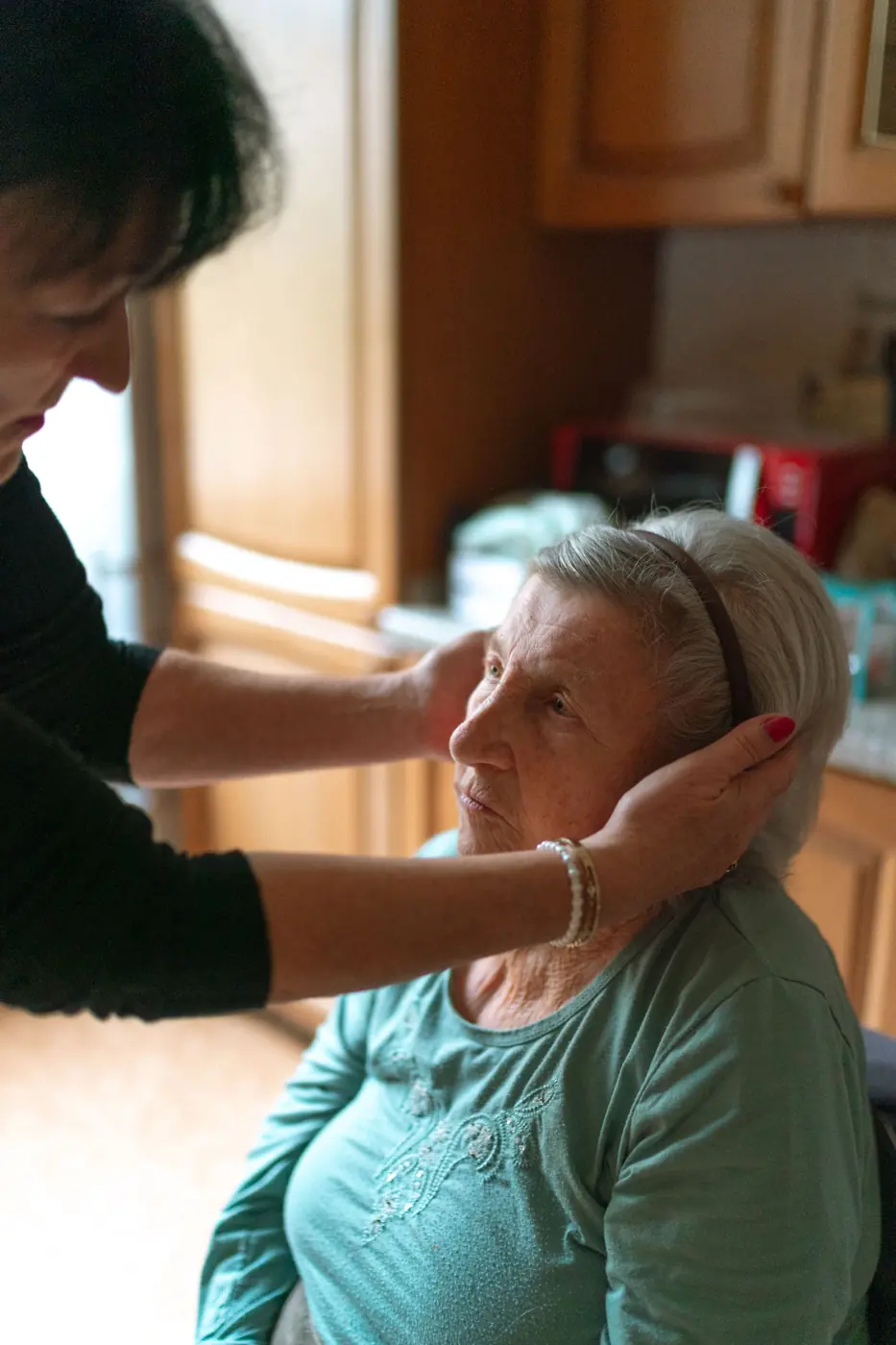
Live-in care means a trained carer moves into your home for a period of time - often several weeks at a stretch - and helps with whatever you need to live comfortably. That might be washing and dressing, cooking, medication, getting out, or simply company.
It sits between short home-care visits, where a carer calls in for half an hour or so, and moving into a residential home. You keep your own house, your own routine and your own front door.
What a live-in carer does
The support is shaped around the person, but usually includes:
- Personal care - washing, dressing, toileting
- Preparing meals and drinks
- Prompting medication
- Housework and laundry
- Accompanying the person to appointments and on outings
- Being in the house overnight
What the carer needs
Your household provides a spare bedroom for the carer, shares the kitchen and bathroom, and makes room for a two-hour break in their day. They aren't expected to be up every night; if someone needs help many times a night, extra support may be needed and we'll discuss that honestly.
When the main carer takes time off, a second carer covers. We aim to keep the same people involved so that changeovers are familiar.
Who it suits
Live-in care works well for people living with dementia, people recovering from illness or surgery, couples who want to stay together, and anyone who is lonely or at risk of falling. It's harder to make work if every transfer takes two people, or if a registered nurse must be on hand day and night - though it can often work alongside visiting nurses.
How Leeds Haven arranges it
We're an introductory agency: we find, check and introduce carers, and you choose who to go ahead with. We begin with a free conversation and a home assessment, then put together a care plan and suggest carers whose experience and personality suit.
This guide is general information, not financial or legal advice. Funding rules and benefit rates usually change each April.